Events
IADC Drilling Middle East: Optimizing Fuel Consumption in Batch Drilling
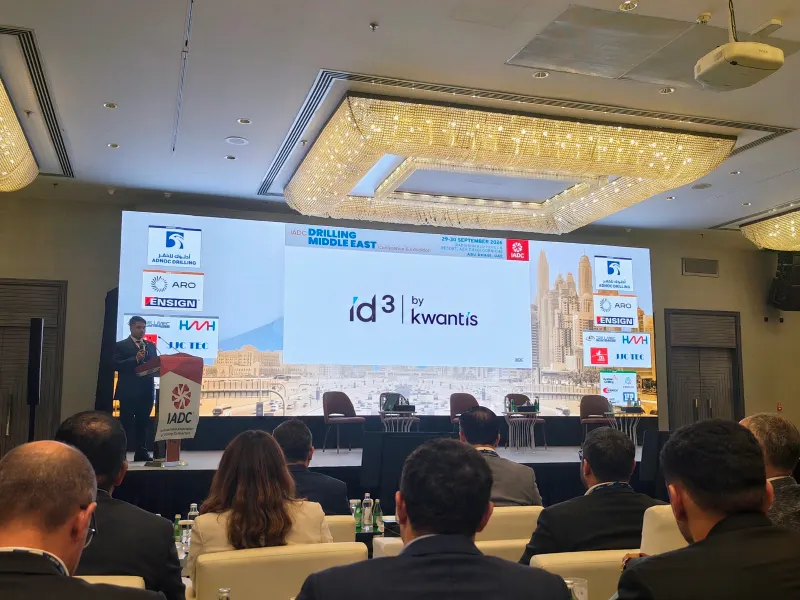
A recent study presented at IADC Drilling Middle East in Dammam led by Deep Shah from Shelf Drilling, in collaboration with Alessandro Caia from id3 Software and Steve Manz from Cyanergy, introduces a data-driven framework for optimizing rig engine use during batch drilling - a method that promises measurable fuel and emissions reductions without compromising operational safety or efficiency.

A recent study presented at IADC Drilling Middle East in Dammam led by Deep Shah from Shelf Drilling, in collaboration with Alessandro Caia from id3 Software and Steve Manz from Cyanergy, introduces a data-driven framework for optimizing rig engine use during batch drilling - a method that promises measurable fuel and emissions reductions without compromising operational safety or efficiency.
A Growing Need for Change
Drilling remains a vital component of global oil and gas production, but it also contributes significantly to greenhouse gas emissions. According to the International Energy Agency’s 2023 report, the sector emits approximately 5.1 gigatons of CO₂ annually- of which offshore rigs are estimated to contribute around 10%, or roughly 500 million tons. These figures underscore the urgency for practical, targeted decarbonization initiatives within drilling operations.
The project focused on jack-up drilling operations in India, powered by 2,200 HP EMD engines. The team’s objective was clear: apply a real-world methodology for engine optimization, identify opportunities to operate with fewer active engines, and propose configurations that balance safety and efficiency across multiple wells.
How the Method Works
The methodology combines sensor-based engine data and Daily Drilling Reports (DDRs) to analyze load percentages, power output, and instantaneous fuel consumption at one-minute intervals. By mapping this data to specific operational activities- such as bottom hole assembly (BHA) handling, drilling, tripping, casing running, cementing, and slip time- the researchers built a detailed operational profile to identify inefficiencies and optimization potential.
Based on this dataset, the Specific Fuel Consumption (SFC) is calculated, and scenarios are simulated to determine conditions under which the number of active engines can be safely reduced while maintaining power stability.
Proven Results
The methodology was tested over a two-month offshore campaign covering multiple wells, focusing on the 17½-inch and 12¼-inch sections. In one example during the 12¼-inch drilling phase, the approach delivered an average 11% reduction in instantaneous fuel consumption, saving approximately 1,600 liters of fuel over a 15-hour, 1,500-foot interval.
Comparative analysis across wells showed consistent improvements in overall fuel efficiency, confirming the method’s ability to identify optimal operating configurations that can be replicated across future drilling campaigns.
Beyond Batch Drilling
While the pilot focused on batch drilling operations, the framework’s adaptability makes it applicable to conventional drilling programs as well. The next phase of the project involves developing a predictive model to recommend optimal engine configurations and load distributions for upcoming well plans- further supporting the industry’s shift toward smarter, lower-carbon operations.
A Step Toward a Sustainable Future
This initiative reinforces that decarbonization in oil and gas doesn’t always require sweeping technological overhauls. Sometimes, incremental, data-guided improvements can yield significant environmental and economic gains. As offshore drilling continues to evolve, such data-driven methods represent a crucial step in balancing operational performance with sustainability goals.